
Substance abuse treatment & mat with Proven, Personalized Care
Substance Abuse and Medication-Assisted Therapy (MAT)
You can get outpatient Substance Abuse & MAT treatment to help you take back control and heal safely.
Treatment for substance abuse and other drug use at My Psychiatry Care
My Psychiatry Care helps people who are dealing with drug abuse and opioid addiction in a way that is compassionate and based on evidence. We want to help you get better by using Medication-Assisted Treatment (MAT), a tried-and-true method that blends medication with therapy and ongoing support.
We understand that addiction is a medical problem and not a failure on our part. Long-term recovery is possible with the right treatment plan and consistent care, all without having to stay in a hospital.
How does medication-assisted treatment (MAT) work?
MAT is a structured way to treat substance use disorders, especially opioid dependence, that works. What’s in it:
- FDA-approved medications: such as Suboxone (buprenorphine/naloxone) and Sublocade (buprenorphine extended-release)
- Ongoing support from a certified MAT provider: to help you stay on track
- Behavioral therapy and counseling: to support long-term mental and emotional recovery
This method helps lower cravings, handle withdrawal symptoms, and keep brain function stable so you can get back to your normal life while working on long-term recovery.
“Those who have opioid use disorder and receive medication-assisted treatment are up to 38% less likely to die from an overdose than those who do not receive treatment.” Barry et al. Yale News. 2023.

What Makes People Addicted to Opioids?
Problems with health, mental health, and the environment can all lead to opioid addiction. Figuring out these underlying reasons helps make a treatment plan that is more effective and fits the person better.
Here are some of the most popular reasons:
- Prescription misuse: when someone takes opioids for longer than the prescribed amount of time or dose. They usually start with painkillers.
- Conditions that cause chronic pain:Using something to treat pain for a long time can make you more tolerant and dependent on it.
- Mental health disorders: People who self-medicate with opioids may be dealing with anxiety, sadness, or trauma from the past.
- Genetic and environmental factors: Having a family history of addiction or being exposed to drug use makes it more likely that someone will become dependent on drugs.
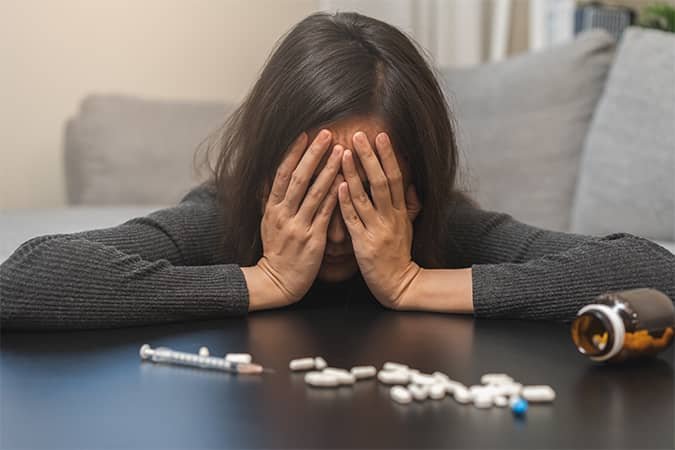
How to Tell If Someone Is Dependent on Opioids
Finding cancer early can make a big difference in how well treatment works. You can get professional help if you or someone you care about is showing signs of addiction.
Some common warning signs are:
- Using drugs without a prescription or taking more than the doctor recommended
- Symptoms of withdrawal when not taking the drug, like feeling sick, sweaty, or anxious
- Getting bored with work, relationships, or hobbies
- Not telling the truth about opioid use
- Sudden changes in how you feel, act, or sleep
Why getting help for drug abuse is a good idea
At MyPsychiatryCare, we help people who are struggling with drug abuse and opioid addiction in a caring way that is based on evidence. Our certified Medication-Assisted Treatment (MAT) program helps people cut down on their cravings, stay sober, and start the road to recovery safely, all from the safety of their own homes. Our approach is tailored to each person, doesn’t judge, and is meant to help long-lasting change.
Frequently Asked Questions
Substance use disorder (SUD) is a chronic, relapsing medical condition where a person continues using a substance despite harmful consequences. It’s not just occasional use; it often involves physical dependency, psychological cravings, and an inability to stop without help. SUD affects brain function, judgment, and overall health.
There are several warning signs that indicate it may be time to seek help:
Needing more of the drug to get the same effect (tolerance)
Experiencing withdrawal symptoms when not using
Using opioids longer or in larger amounts than intended
Neglecting responsibilities at work, school, or home
Failed attempts to quit or cut back
Changes in mood, behavior, or sleep patterns